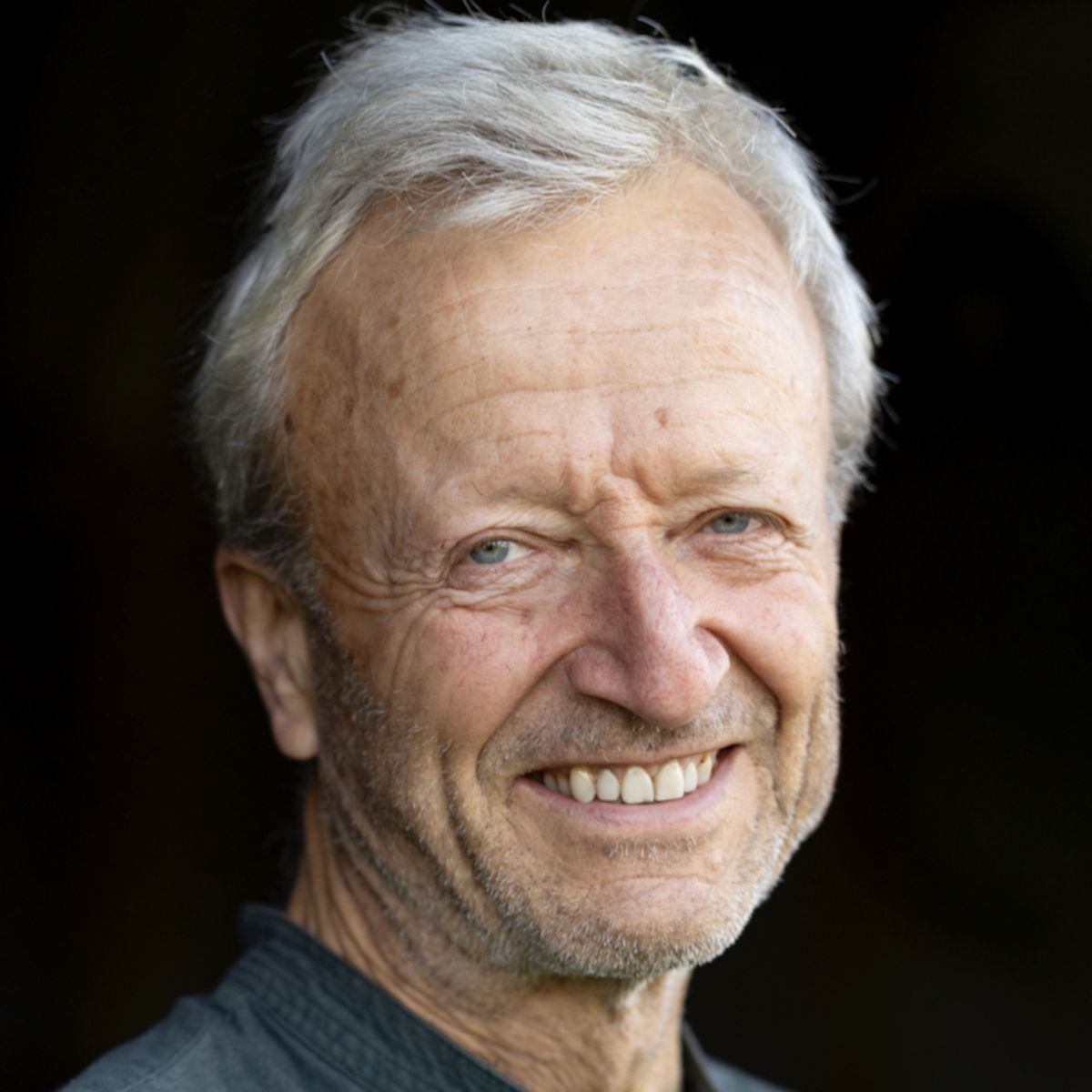

Dear Gardeners,
Finally, we have some cooler weather. This week we have been sowing turnips, salad rocket, spinach, endive, collards and Chinese cabbage; also coriander, dill and parsley.
There is still time, just, to sow all of those for harvests in mid- to late autumn, when all fresh greens are welcome. I'm worried about a possible shortage of winter brassicas, and collards can make a difference with that - until the end of August is just possible for sowing them.
I had hoped to be watering less by now, in view of the rain frequently mentioned in weather forecasts. However, we have had just 3 mm of rain here over the week and it hasn't really made much difference. If it's similar with you, keep watering, especially vegetables such as leeks, beans, courgettes, celeriac and all brassicas.
Our featured article this month is Nicola's interview with Jill Attenborough, chief executive of The Country Trust. The charity works with schools in areas where children have least access to green space, helping them grow, harvest and cook their own food. For many of them it's the first time they have had their hands in soil. I found it a heartening read.
It’s great to know that the programmes run by The Country Trust are reaching so many children across the country. Next month we hear from a young lad who is a really keen grower. If you would like your garden, community garden or school garden to feature in our newsletter, please do get in touch with Nicola at [email protected]
Happy gardening,
Charles

An interview with The Country Trust 🌱
Nicola with the CEO of The Country Trust, Jill Attenborough

Please can you explain the ethos of The Country Trust, and who the charity helps?
The Country Trust is rooted in the belief that every child should have the opportunity to connect with food, farming and the countryside, regardless of their background or circumstances.
In practice, the charity knows that direct experiences of nature, farming and food production can help children develop confidence, curiosity, wellbeing, environmental awareness and a stronger connection with the world around them.
We support children and young people from areas of high social and economic disadvantage, because we know they are most likely to have limited opportunities to experience the countryside, farming and food production.

How have you introduced vegetable growing to children?
The Country Trust delivers four core programmes: Farm Discovery, which gives children hands-on experiences on working farms; Food Discovery, a year-long programme where children grow, harvest, cook and share their own food; Farm in a Box, which brings farming and food education directly into schools; and Countryside Residentials, immersive trips that help children connect with nature and rural life.
All our programmes have direct links to growing food: digging up potatoes on a Farm Discovery visit or cooking their own lunch on residential using produce from the farmer - but Food Discovery is particularly important in enabling children to get their hands in the soil and experience the joy of growing vegetables and herbs themselves. Our coordinators plan and deliver practical gardening and cooking activities with the children in sessions slotted into the school day across the year, supporting them to develop new skills and gain confidence that they can ‘grow their own’.

How do the facilitators of the sessions engage with children in the school gardens/growing spaces? Are there any obstacles they need to overcome?
Our coordinators love a challenge! They are very skilled at enabling children to grow in whatever space the school has, whether it’s a corner of a school field in Great Yarmouth (with sea breezes and a very active deer population) or a roof-top playground in inner London (with tubs and small raised beds and four flights of stairs to climb with equipment!). The schools we work with have exceptionally tight budgets and generally can’t look to parents for additional fundraising, so resources are often very limited, including teaching and support staff. Our programme includes not only the coordinator, but all planning, preparation, resources and equipment needed.
Children and teachers often have no previous experience of gardening and so initially children may be very cautious about getting dirty or encountering insects and worms, and teachers may be anxious as to how children will behave outdoors and with tools. There are an increasing number of children with Special Educational Needs (SEN) and with Social, Emotional and Mental Health (SEMH) and so sessions are designed to be interactive and inclusive, meeting children where they are and nurturing their curiosity and their confidence through the school year. 100% of teachers reported feeling more confident leading cooking sessions, teaching about food and farming and growing after their year with The Country Trust.
“We have a high proportion of children with autism and ADHD, dyslexia… it gave them an opportunity to learn in a different way. And the learning we brought back into the classroom felt more real.” Teacher, Creekside Primary, Food Discovery
Like all gardeners, our coordinators have to contend with the weather, and garden pests large and small; they are masters at turning challenge into opportunities to learn and adapt and finding things to celebrate whatever the season brings. They also have the added challenge of fitting things into short school terms, with school holidays that may coincide with record breaking temperatures as with last May and no one at school to water anything.

What benefits do the children feel once they have had a growing experience and what have been your real successes?
The children we work with have limited opportunities to visit the countryside and to get their hands in the soil. They may not have gardens or a safe green space nearby. Poverty limits choices, opportunities and health. Poorer communities have the most fast-food outlets and the worst health statistics. Children therefore have limited opportunities to learn where their food comes from or to understand how their lives, their food, their health and the health of our world are connected.
Growing is a brilliant way for children to experience agency – what I do makes a difference – but also resilience – if the weather or a pest ruins my crop how can I adapt and try again? It allows children to connect with the world of farming (every programme includes a visit to a working farm), and also opens up bigger conversations on food security, climate change and biodiversity, providing real world context and a safe and supported space for questions and discussions. The direct link with the cooking part of the programme allows children to learn how to use fresh produce to make great tasting food, and to be confident to try new foods, even children who may previously not have eaten any fruit or vegetables. Last year, 91% of children said they were trying to eat more fruit and vegetables after taking part in Food Discovery, the majority reported that they were feeling happier and healthier, and 94% said they were more interested in spending time outdoors.
“The children were excited to finally plant the vegetables that they had been carefully growing and looking after. They showed great enthusiasm and curiosity as they worked together to place the plants into the soil and water them afterwards.
This experience provided a fantastic opportunity for the children to learn about nature, growth and responsibility in a hands-on and engaging way. They were proud of their achievements and enjoyed discussing the different vegetables they had grown. The activity also encouraged teamwork, communication and confidence as the children helped one another throughout the session.
Emily’s positive energy and patience helped create a calm and exciting environment where all of the children felt included and motivated to participate.” Teacher
Have there been any situations where you have been surprised by the children’s reactions?
What we love seeing and hearing is children surprising themselves and their teachers at loving the feeling of being outside and how it calms them, of having their hands in the soil and not minding getting dirty, at hearing the sounds of the natural world, of not being afraid of insects or worms anymore, of trying new foods and finding they actually like them! And for teachers, the surprise we hear all the time is how those children who find classroom learning most difficult thrive when in a Food Discovery gardening session, and the lightbulb moments when something they heard in the classroom suddenly makes sense.

How can we as adults inspire children to be curious about growing to help them make the connection to the food they eat?
At The Country Trust, we believe that potential is equally distributed but opportunity is not. So, the most important thing we can do is create opportunities for children to see for themselves where food comes from, to follow the miraculous journey from seed to vegetable, and to support them to develop the skills and confidence they need – and this will be different for every child. This can be on a windowsill or on an allotment, in a pot on a balcony or a raised bed in a garden. And don’t be afraid to show you’re learning too, lean into their questions, see things anew through their eyes.
What future plans does The Country Trust have?
There are nearly 7000 schools with a high percentage of children eligible for Free School Meals and therefore eligible for our programmes. Across all our programmes we are working with about 10% of those schools so our future plan is always to bring hands-on, life-changing food, farming and nature opportunities to as many of those children as possible.
If you share our vision and are able to support us then please visit www.countrytrust.org.uk

Your projects 🌱
Would you like to share your experience of growing and gardening with children?
However large or small your project, we would love to hear from you.
We hope that by showing what’s possible, others will be encouraged to get started with their ideas.
Please email Nicola: [email protected]
Resources 📋
To help with the planning of a school garden, please see this page of my website.
For a Sowing Timeline in the Northern Hemisphere, please see this page, and for the Southern Hemisphere, please click here.
For starting a new no dig allotment or garden, this is the page.
First Tunnels offer schools a 20% discount. Do see their page here, where they feature the Future Gardeners Forum!
We would like this resource list to grow and turn into a toolkit to help set up and run a successful growing space for children, so if you have any resources you think would be helpful, please email Anna, [email protected]
Contacts 💻
Below are the contact details for the Future Gardeners Forum speakers, 2024 and 2025. Do follow along with their projects via Instagram or their websites.
2025 forum speakers
Alby Jones, @nodigkid
Beth Rochford, @rootzup
Karen Waterston, @thegardenofideas
Helen Cross, @grow_cook_inspire
Tom Houghton, @thecommunitygrowers_cic, @thebostonmarketgarden
Hannah and Ross, @lettinggrow
2024 forum speakers
Lara Honnor – Skool Beanz
@skoolbeanz
Jess Creasey – Cornwall Grows CIC
@cornwallgrows
Phil Brown – Headteacher, Bottesford Junior School
Website: https://www.bottesfordjuniors.com/school-garden/
Sarah Alun-Jones - GROW
@wearegrow
https://www.wearegrow.org
Dan Romans-Hay – Woody School Farm, Streatham
@woodyschoolfarm
[email protected]
Matt Willer – The Papillon Project
@thepapillonproject
https://www.thepapillonproject.com
